Roll of Wonders
During an independent study, we explored non-traditional pull-along toy designs for children aged 12–14 months inspired by Fisher-Price. The project focused on researching developmental needs—gross motor, fine motor, sensory, and cognitive skills, while studying Fisher-Price’s existing aesthetic and product offerings. Using these insights, I designed a pull toy that supports early development through playful, cause-and-effect interaction while reinterpreting the traditional pull-toy form.
Summer 2025
Duration: 2 weeks
Type: Research, fabrication
Research-based Individual Study
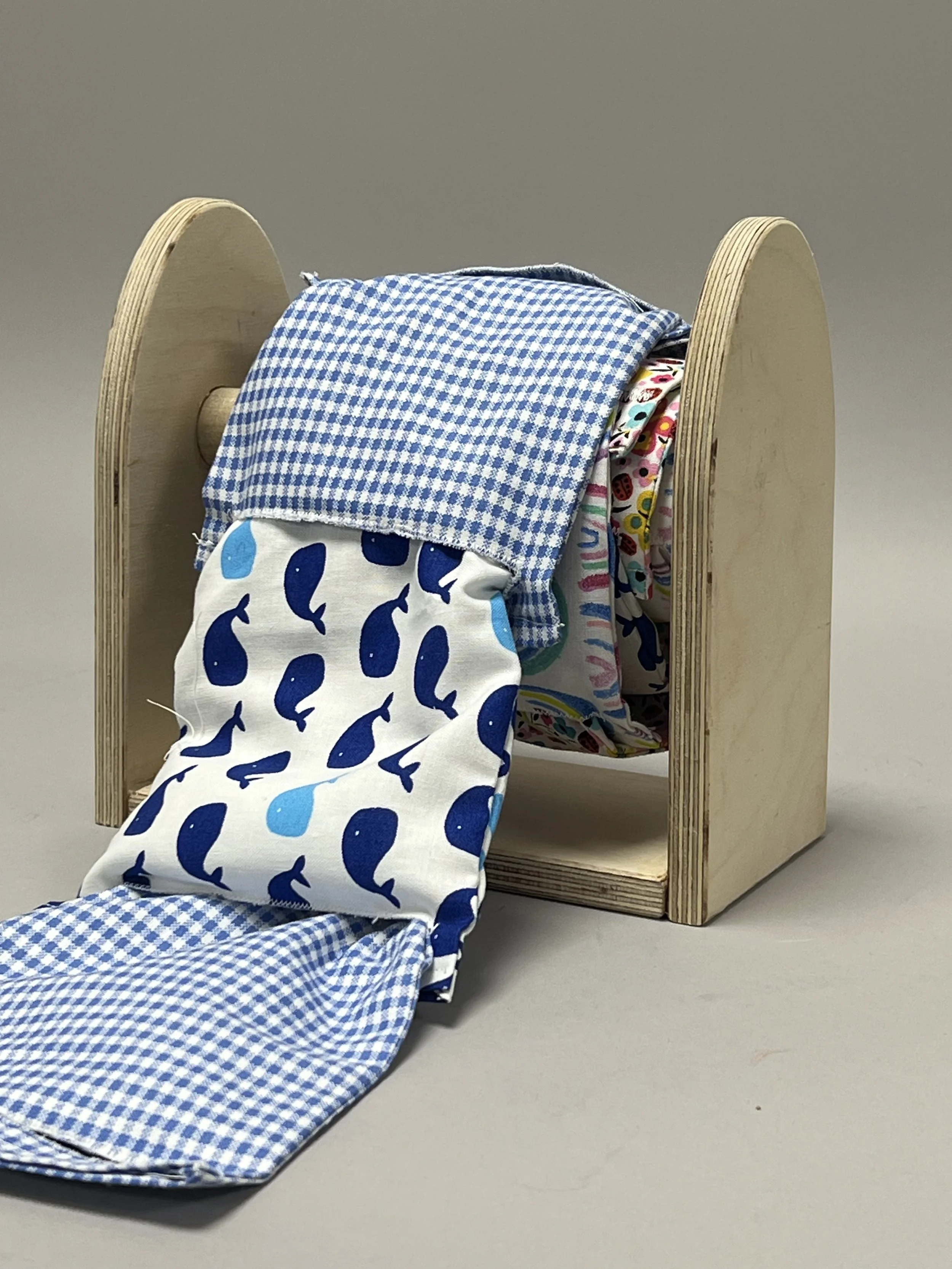
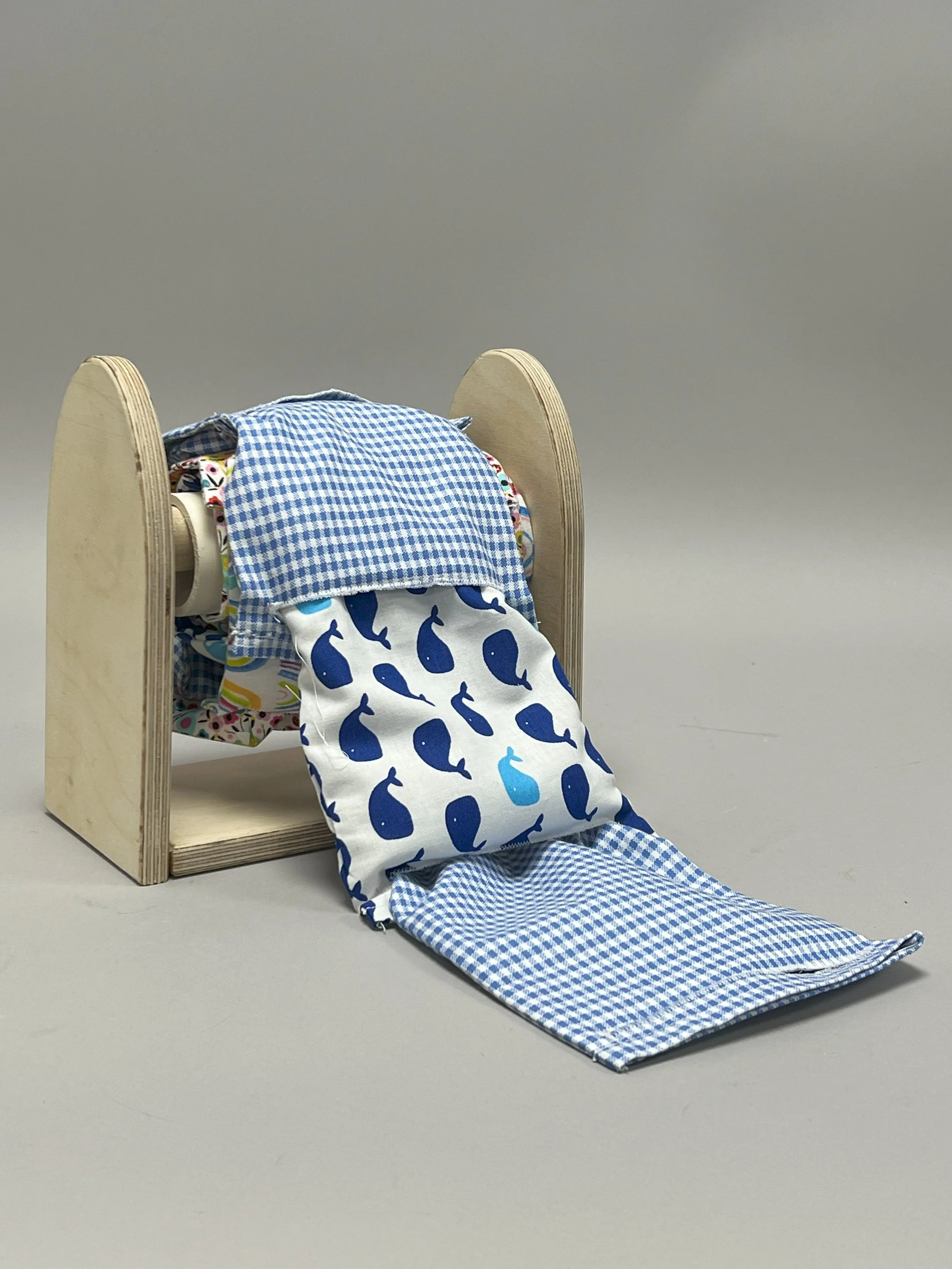
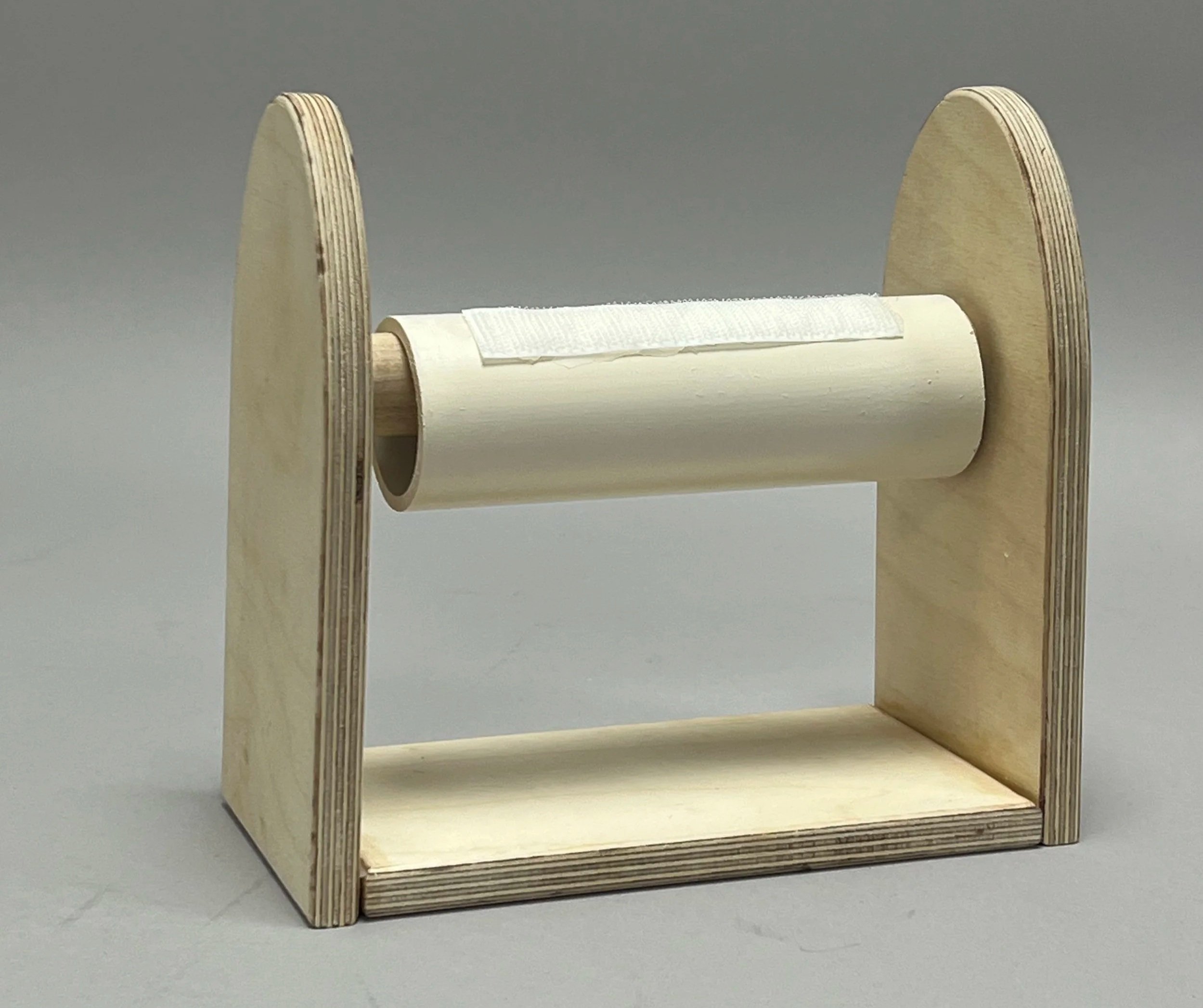
Inspired by a babysitting moment and a child fascinated with unrolling toilet paper, this toy offers a mess-free way to explore the satisfying sensation of pulling. With textured, reusable fabric and endless fun, Roll of Wonders turns everyday curiosity into magical, imaginative play.
User/Market Research
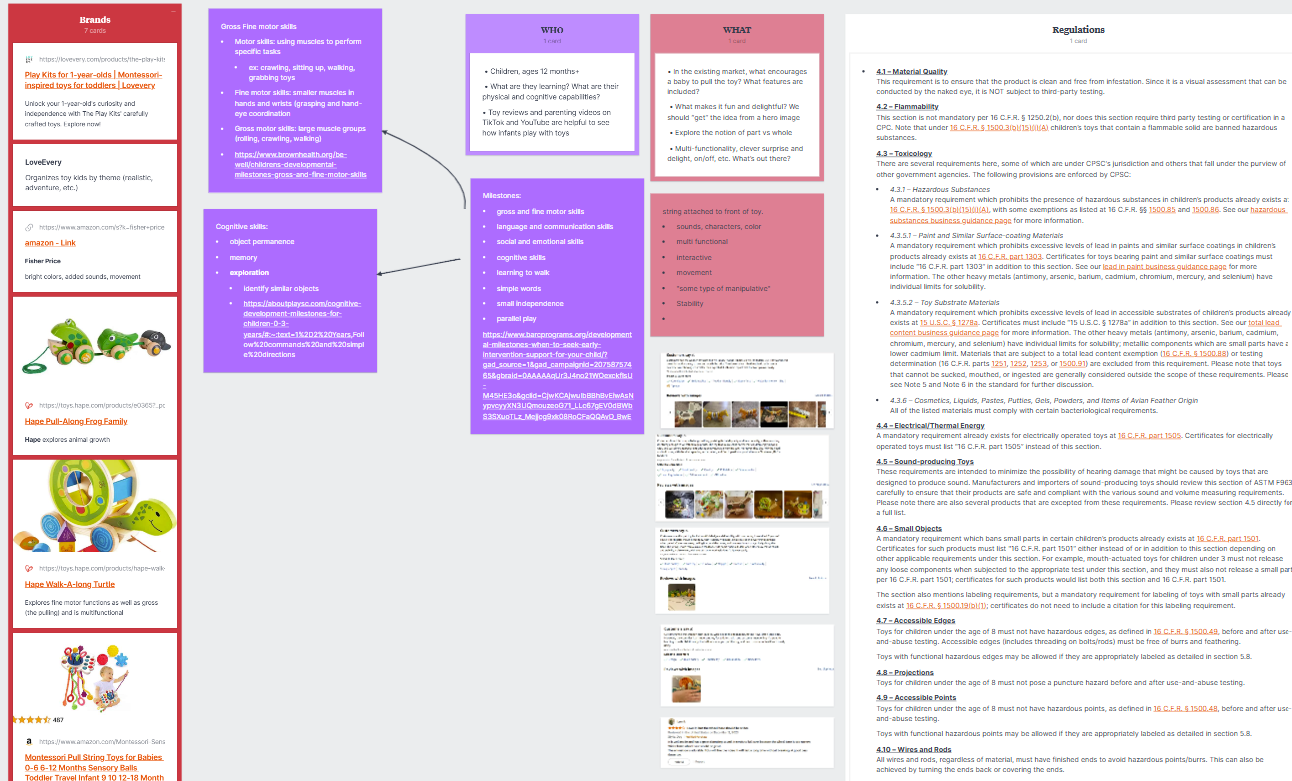
My main focus for my research was looking at existing pull toys and popular brands, consumer comments/ reviews, and safety regulations.
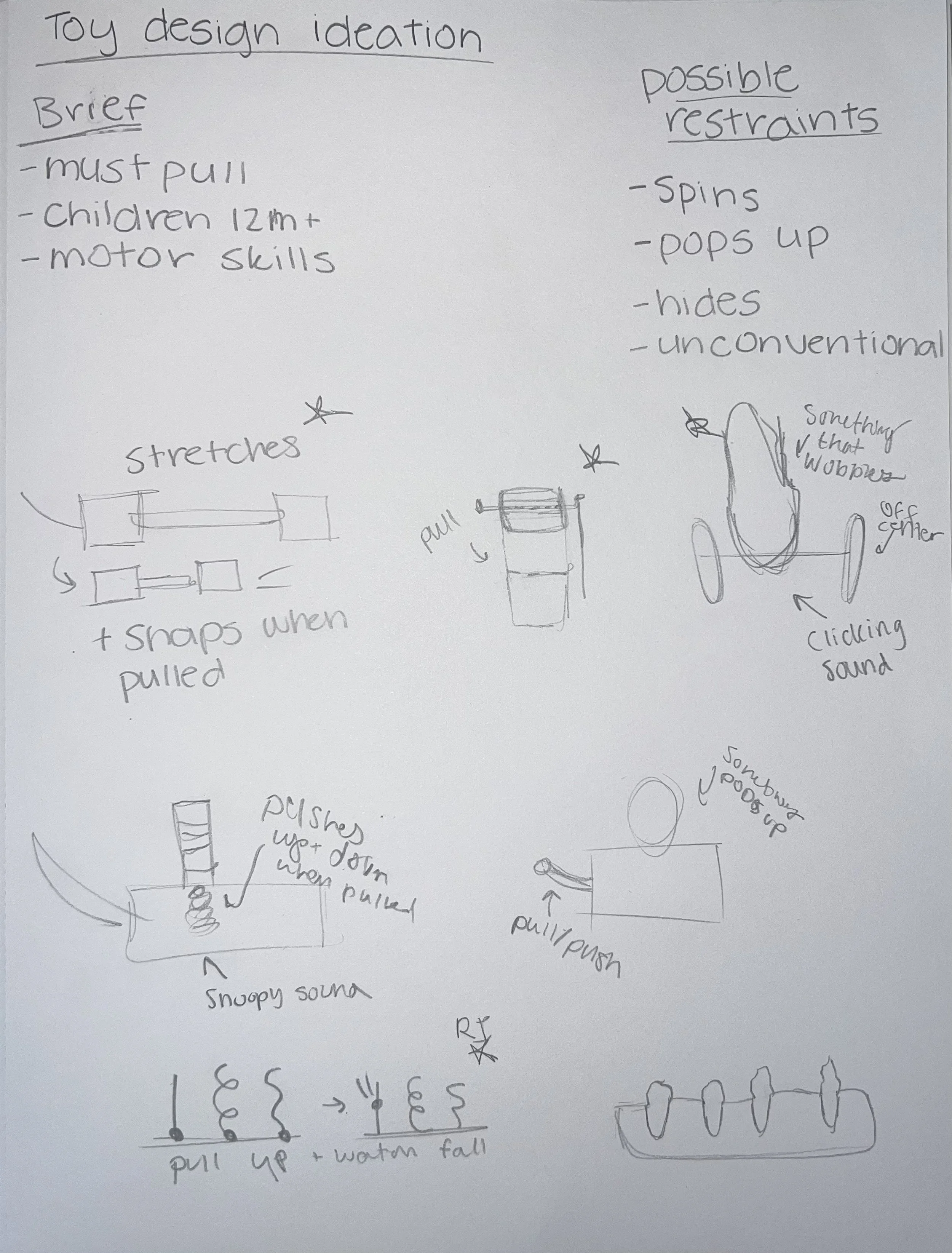
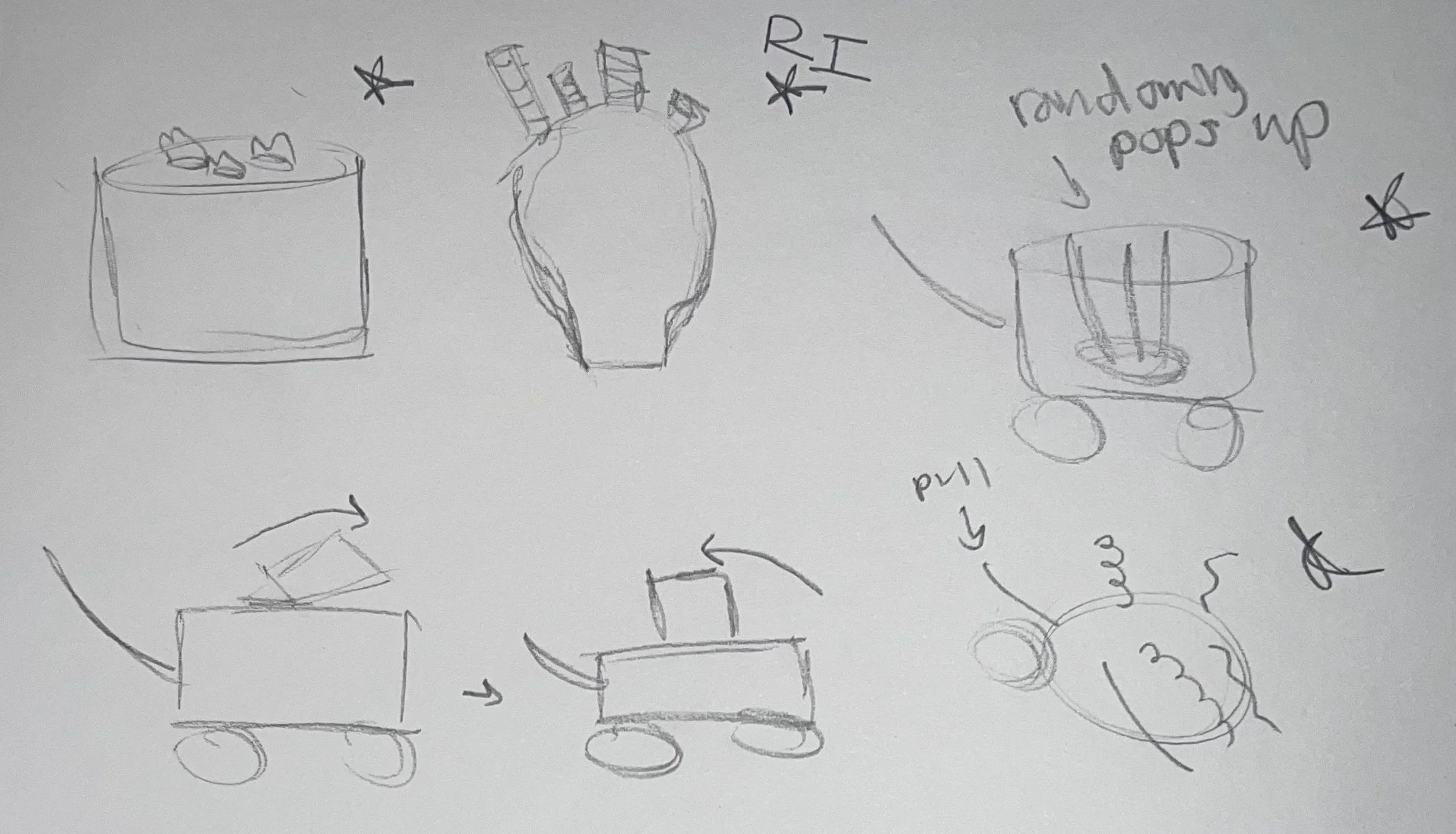
Ideation
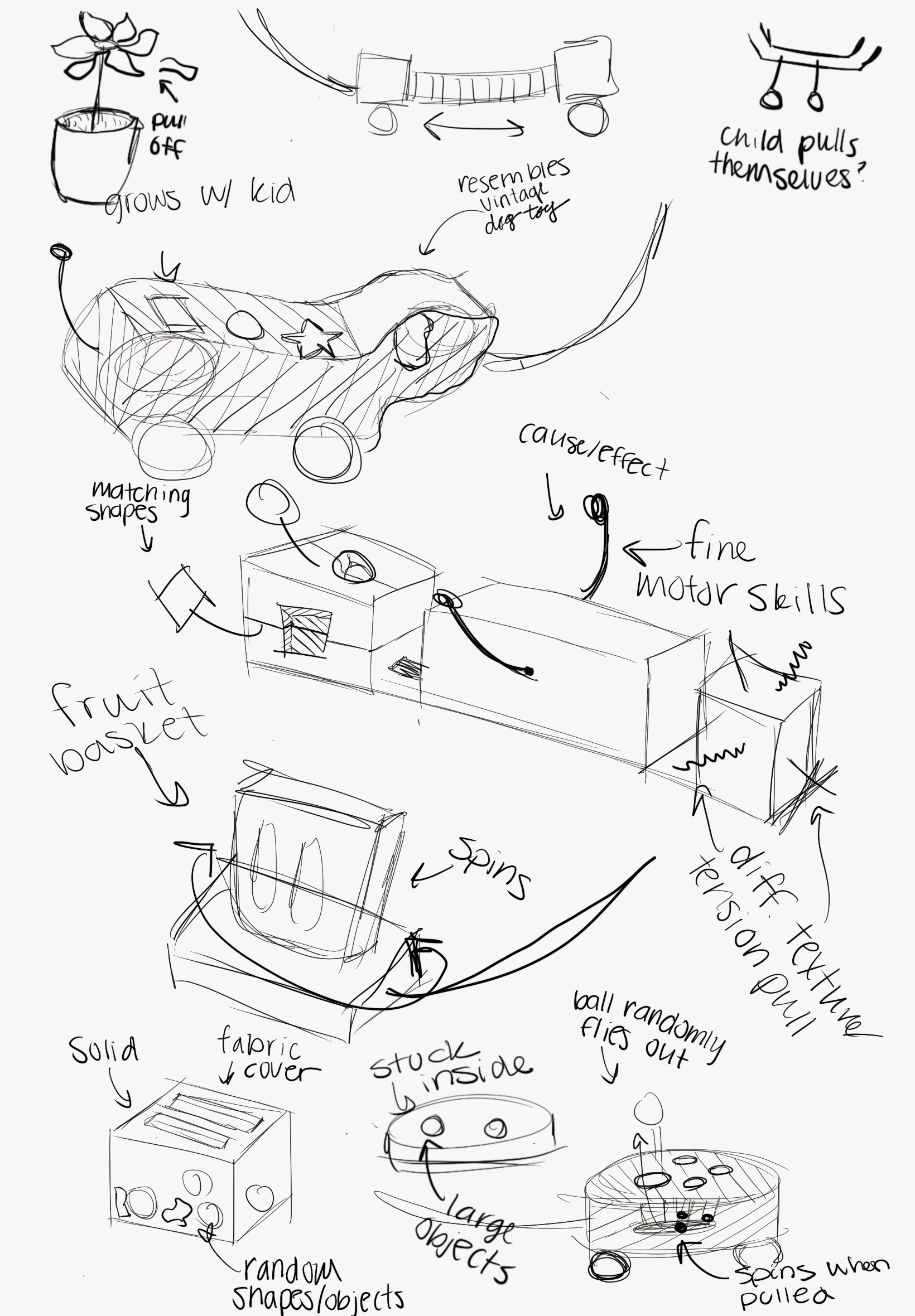
Through multiple rounds of quick sketches, I started narrowing down my top favorites to make 3D sketch models
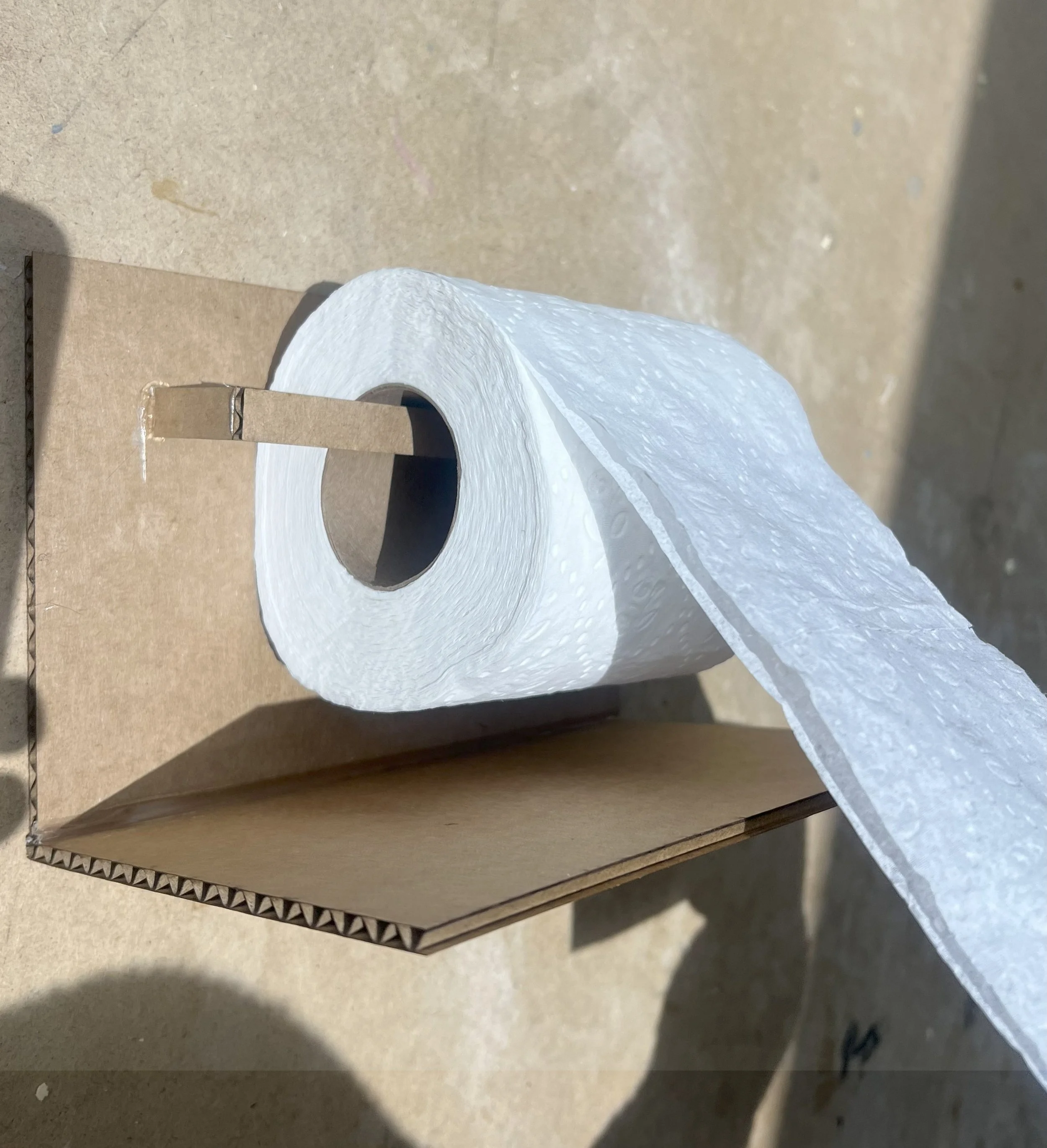
3D sketch models
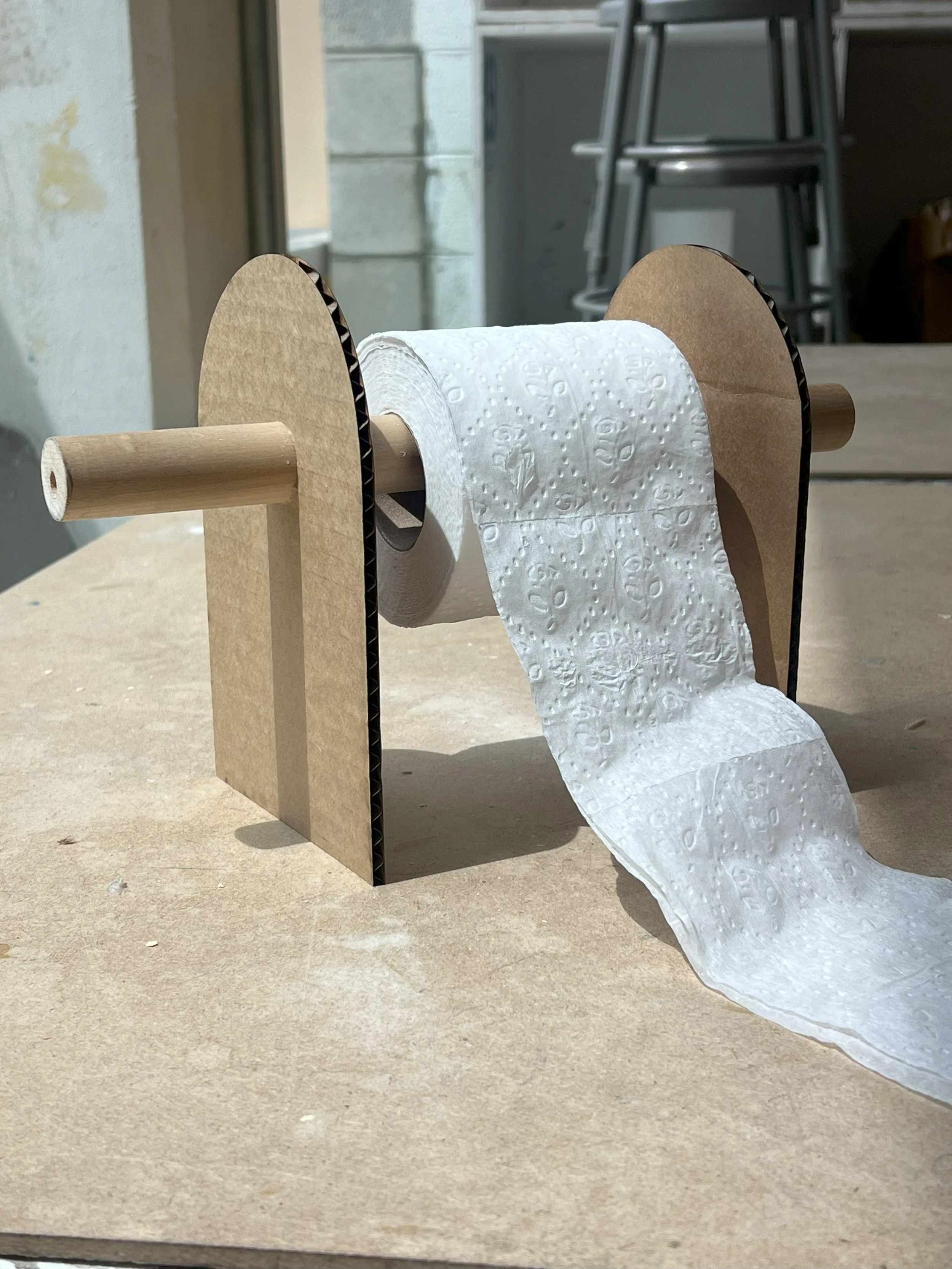
Rough cardboard prototypes to better understand how the toys would function
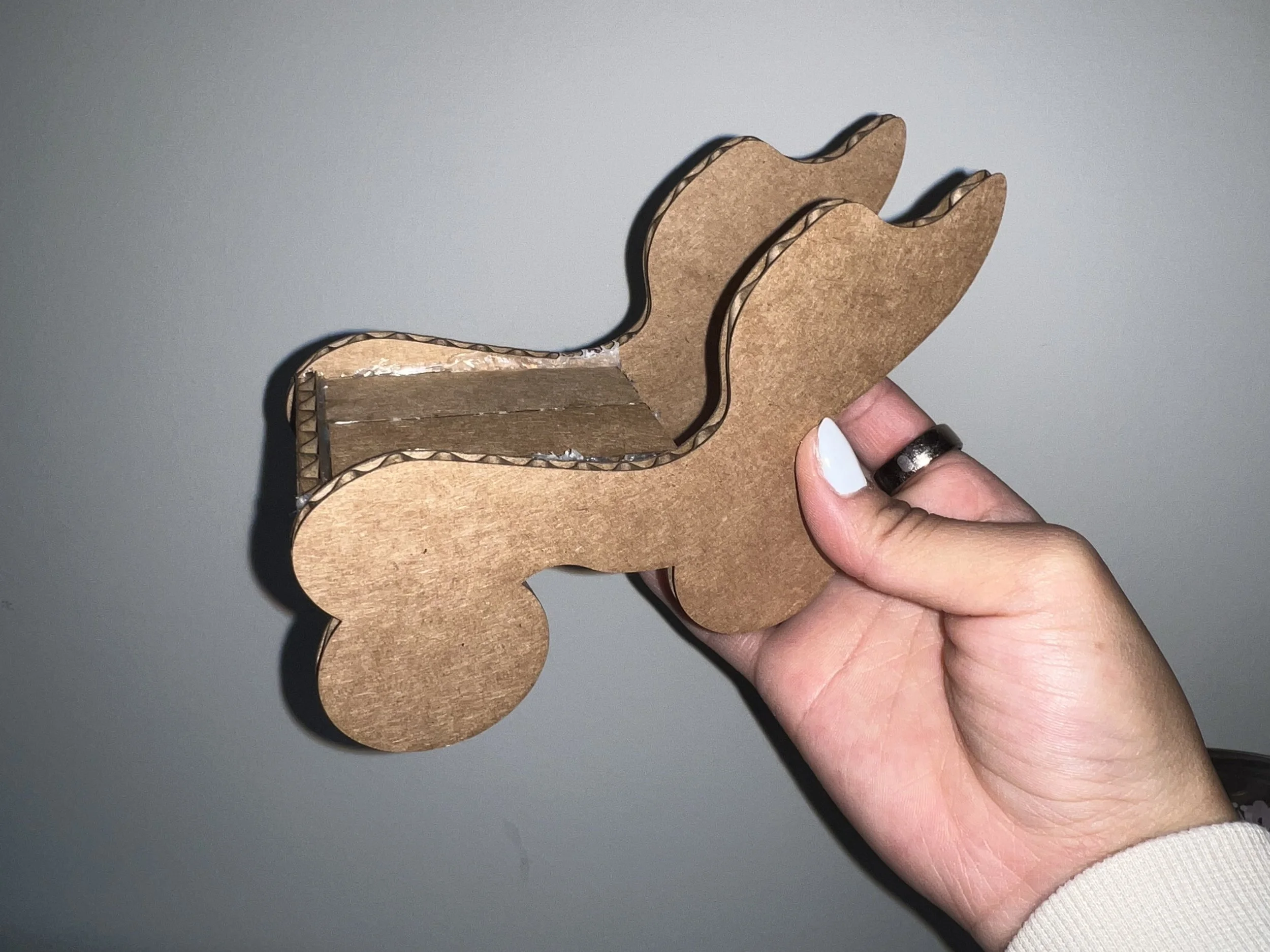
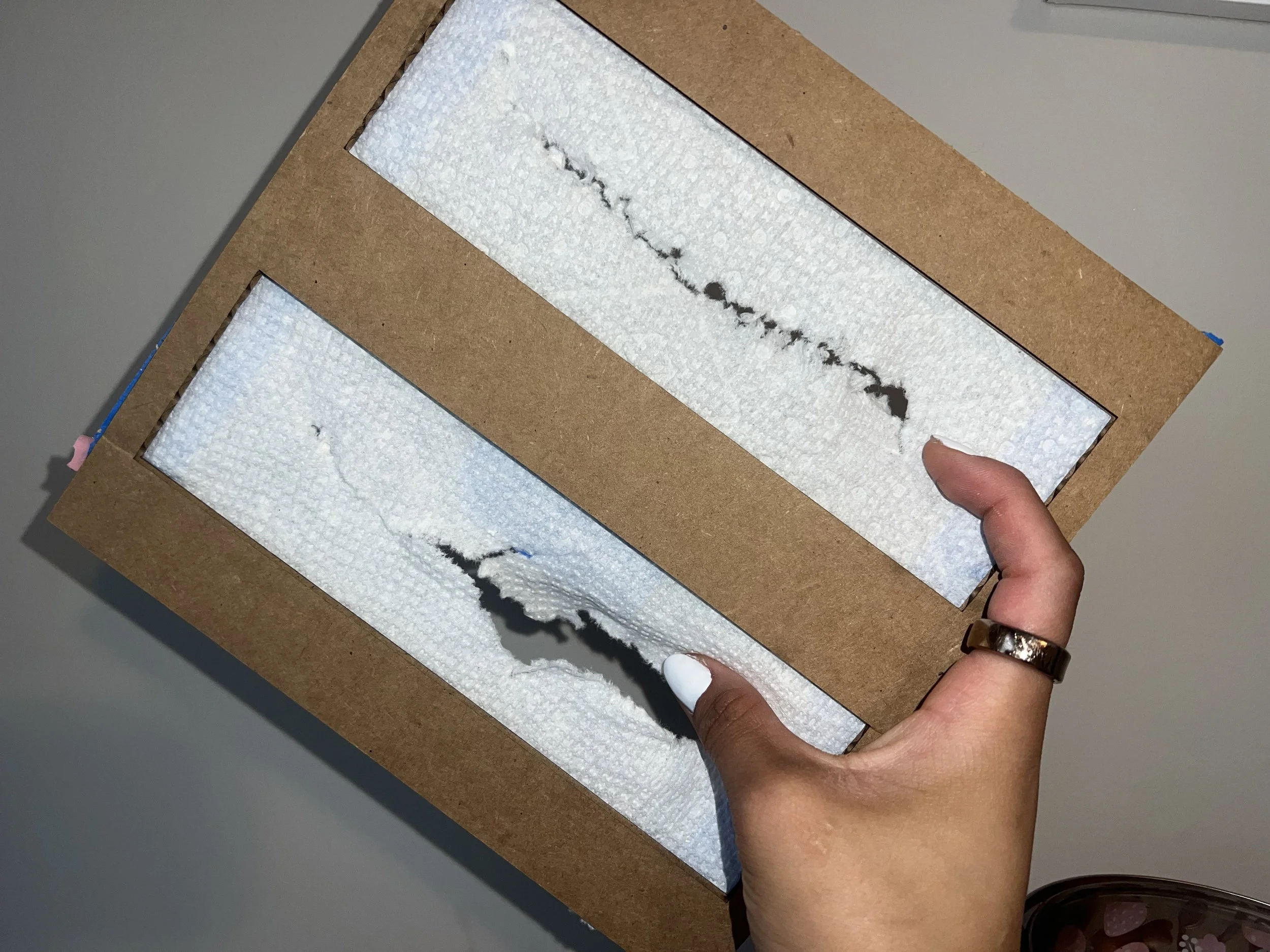
After ideation and group critiques, I selected a non-traditional pull toy concept inspired by the familiar form and interaction of a toilet paper roll.
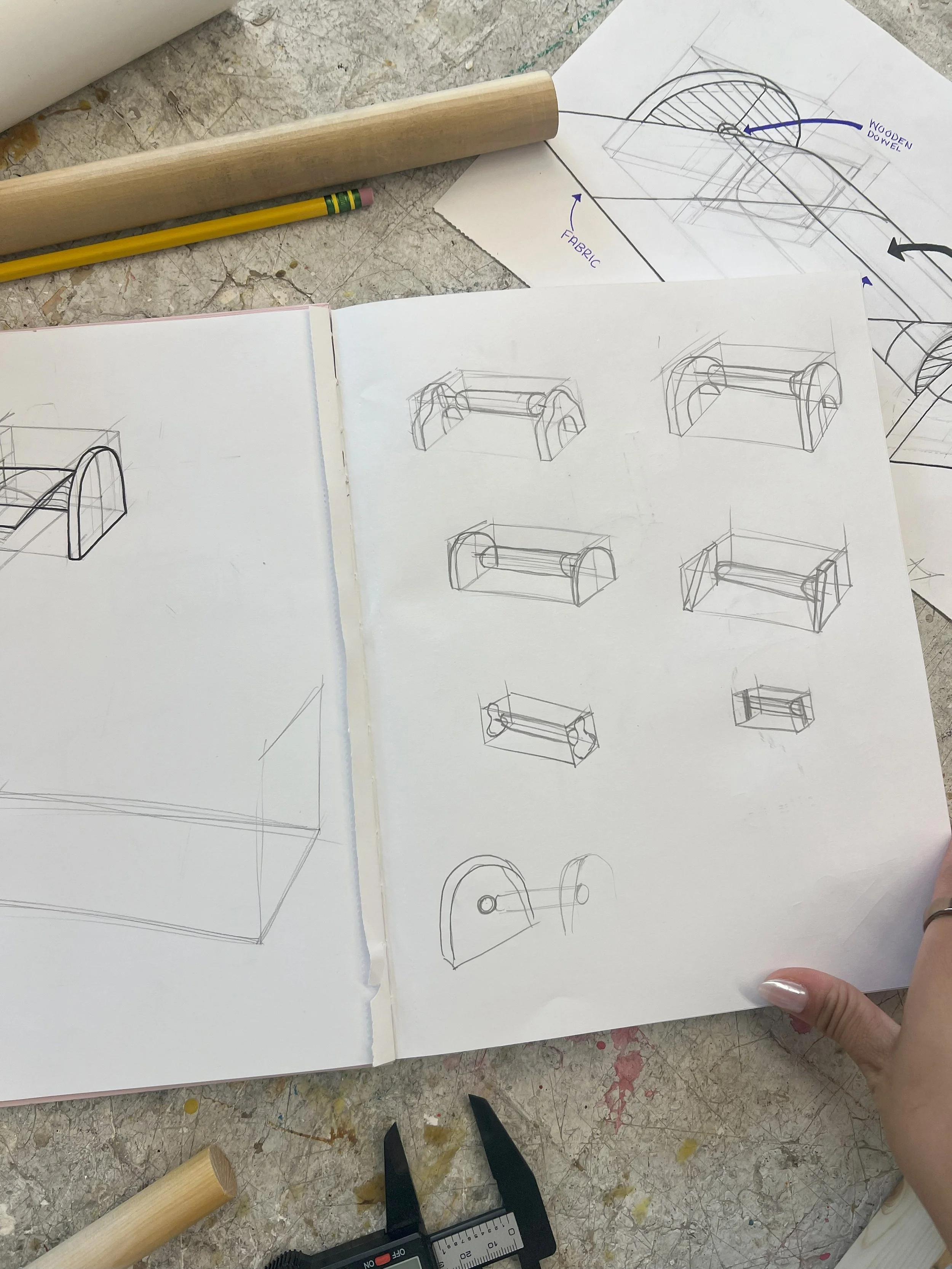
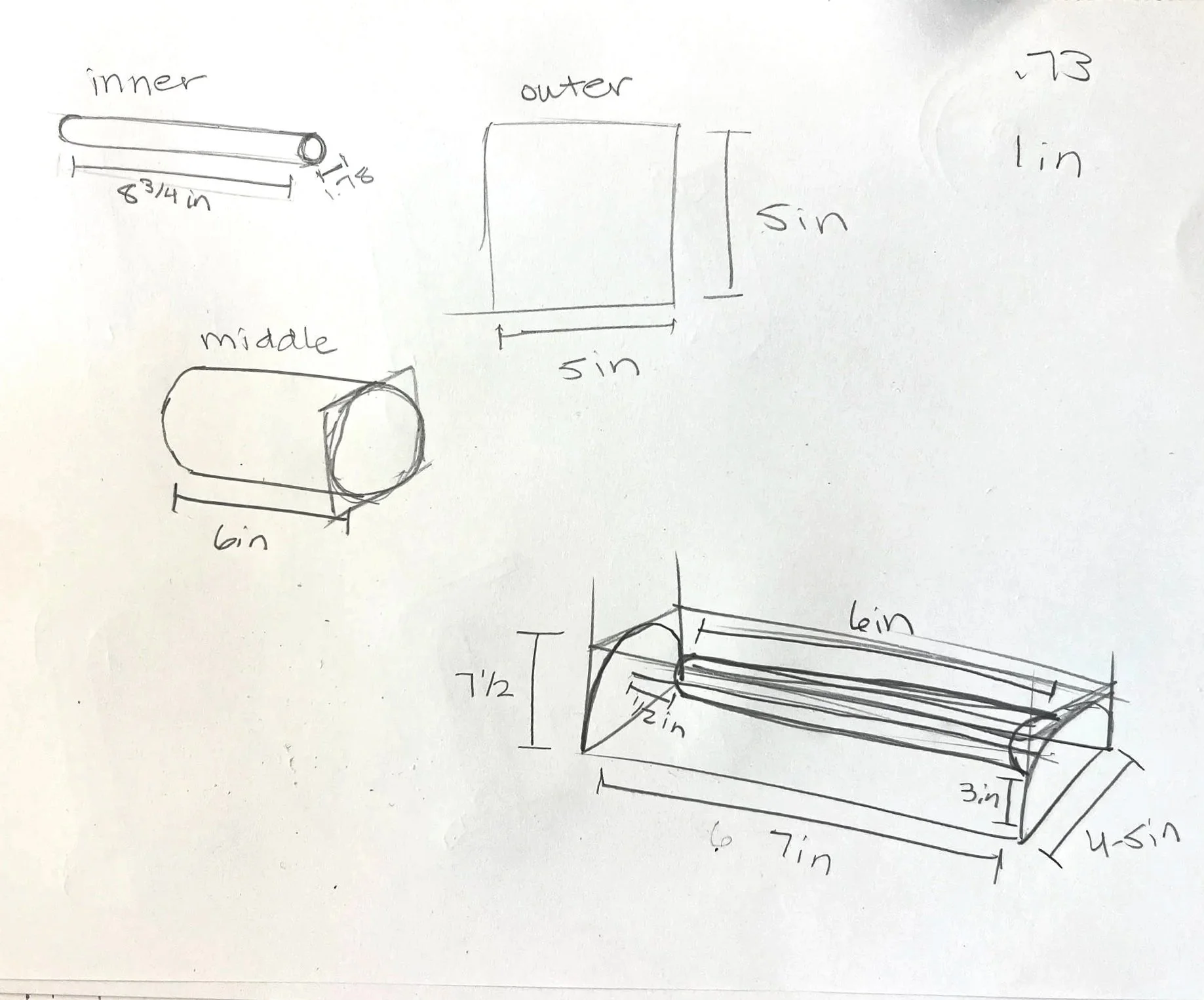
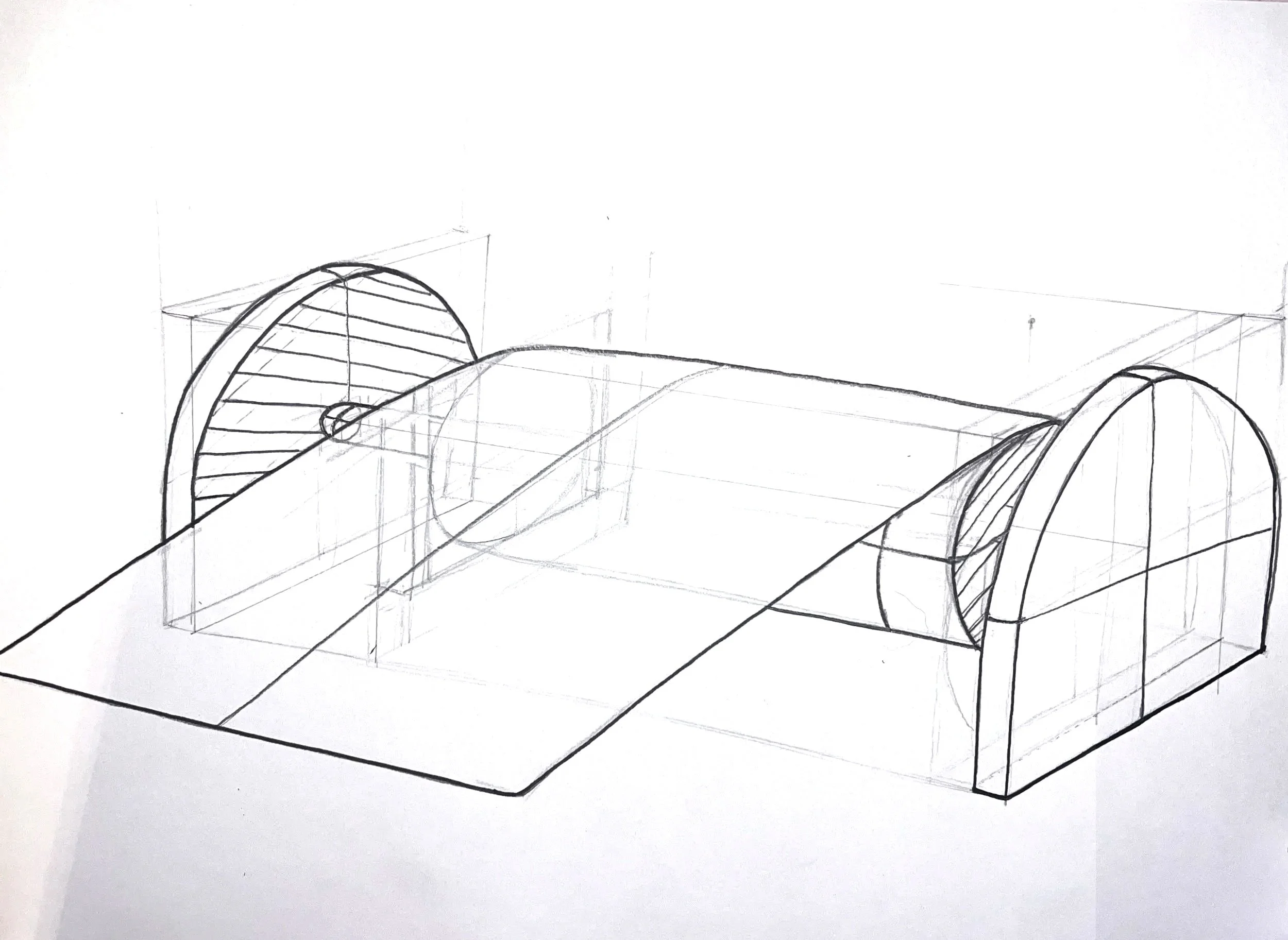
Sketches
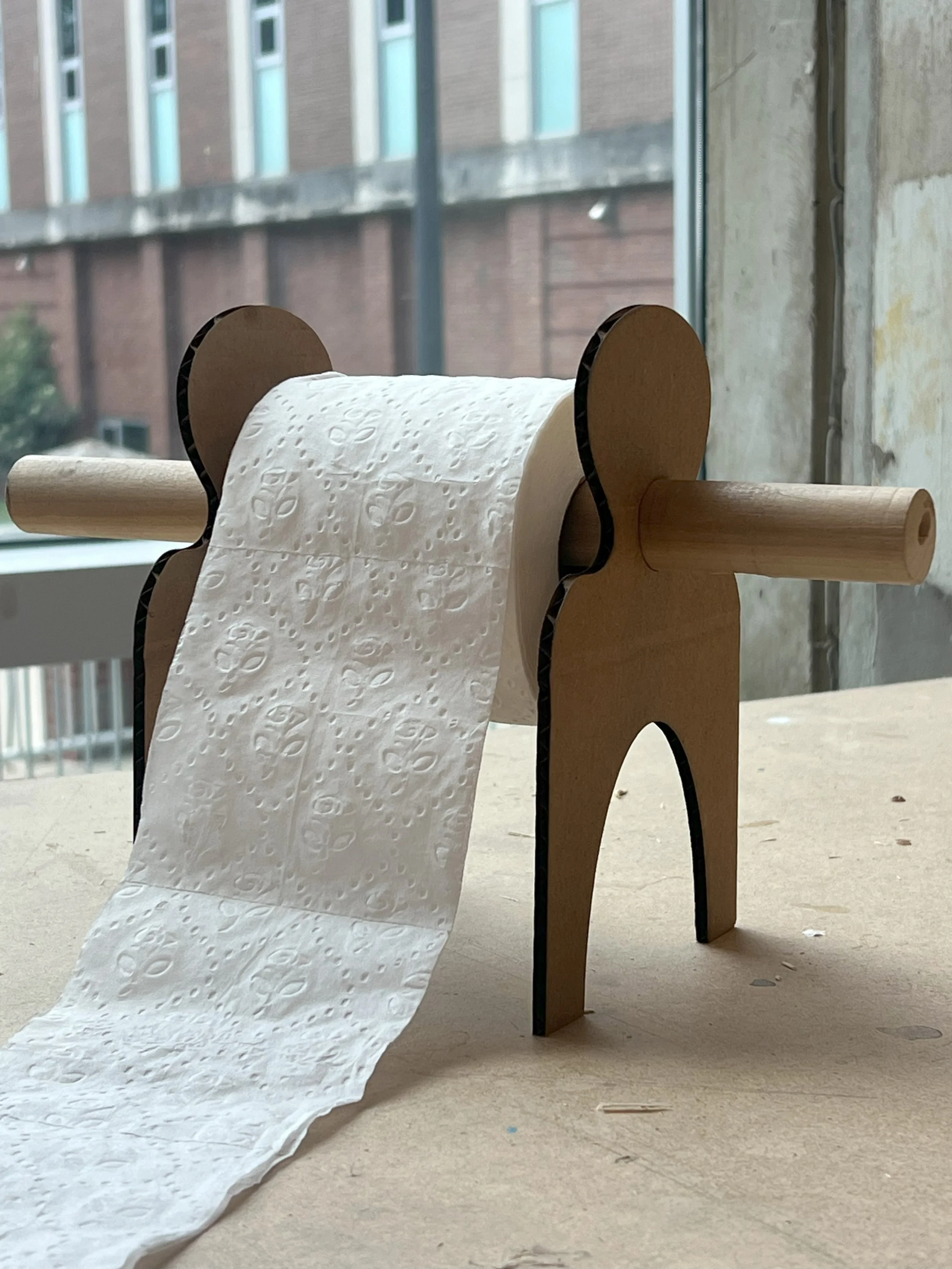
Two final form iterations
3D Sketch Models
Physical prototypes of final forms with correct dimensions. After creating these, I decided to go with the arched form as I felt it was more visually pleasing.
Iterations
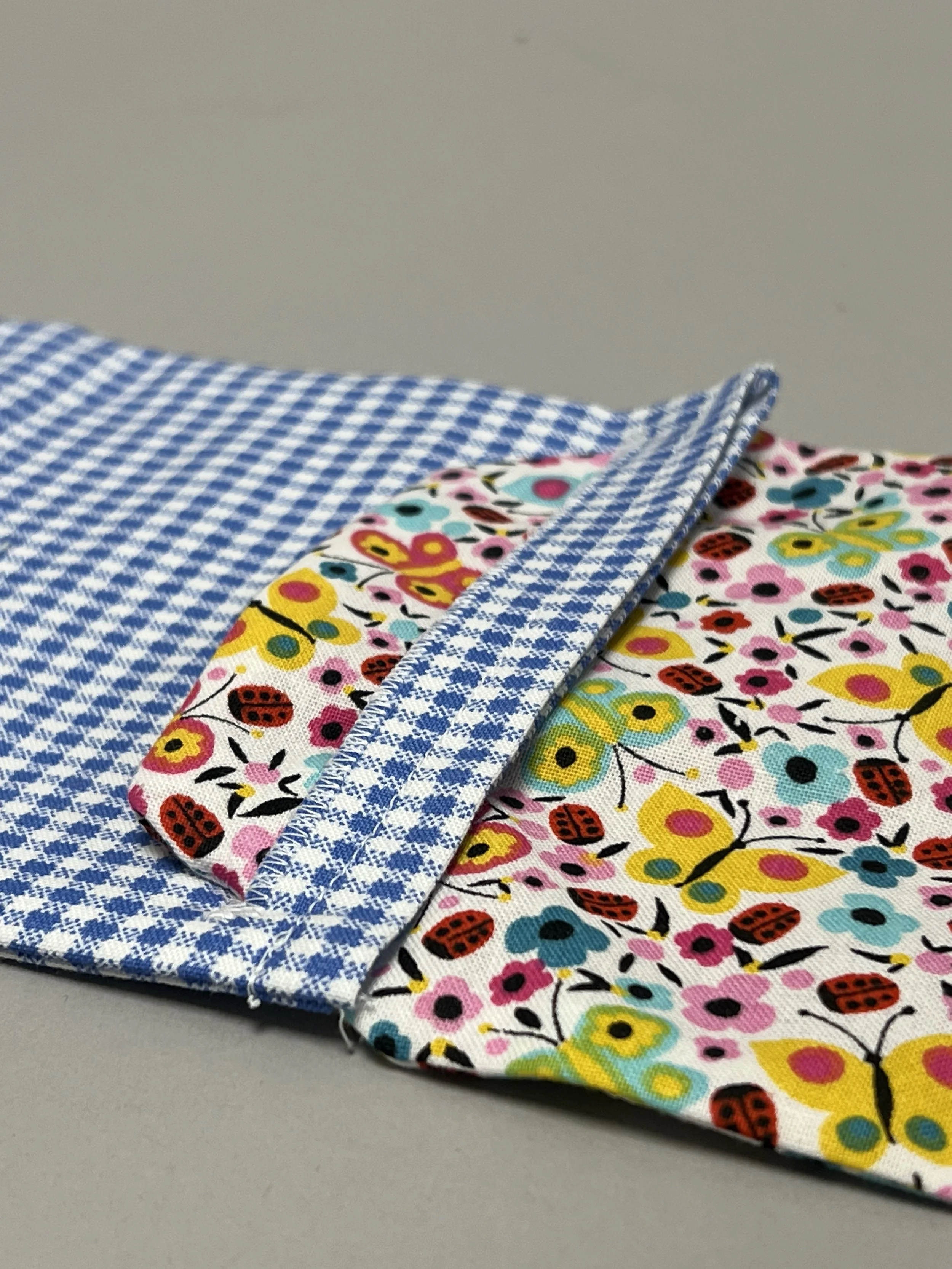
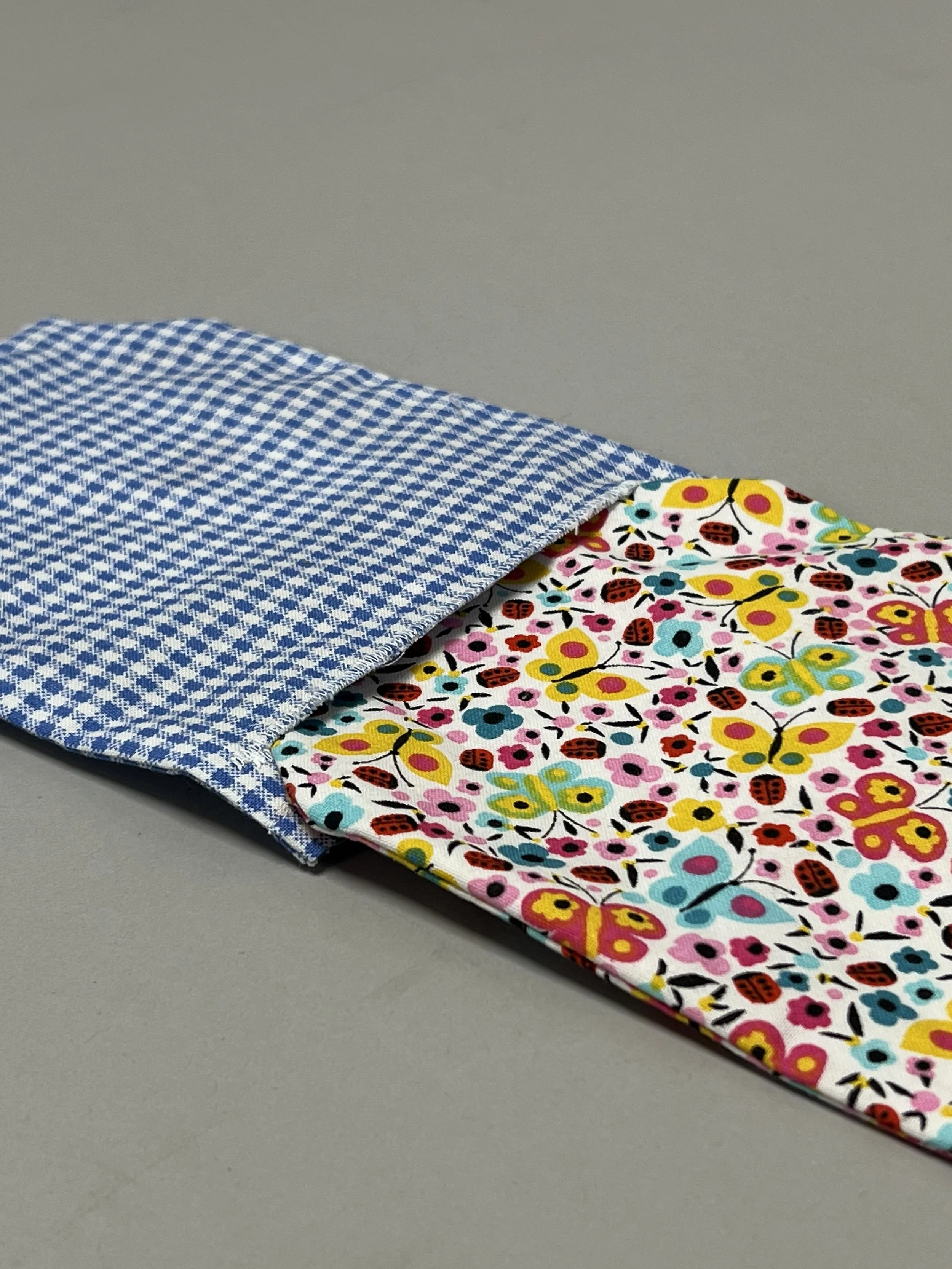
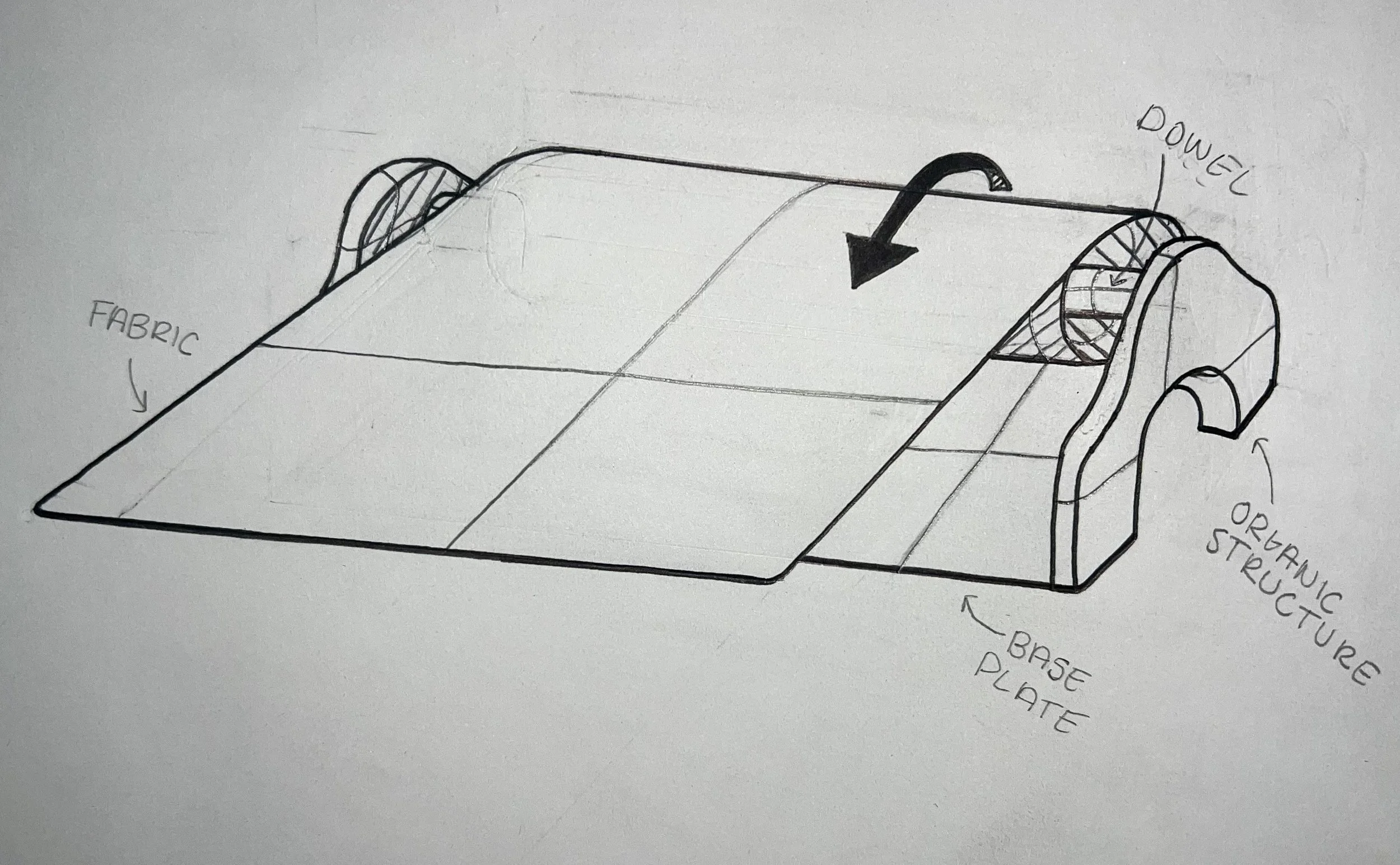
After selecting my strongest concept, I explored variations in form and function. While initially considering a Velcro-based mechanism, I also tested magnets and other connection methods. Ultimately, I chose to develop an interlocking system that allows the fabric pieces to connect directly to one another.
Production
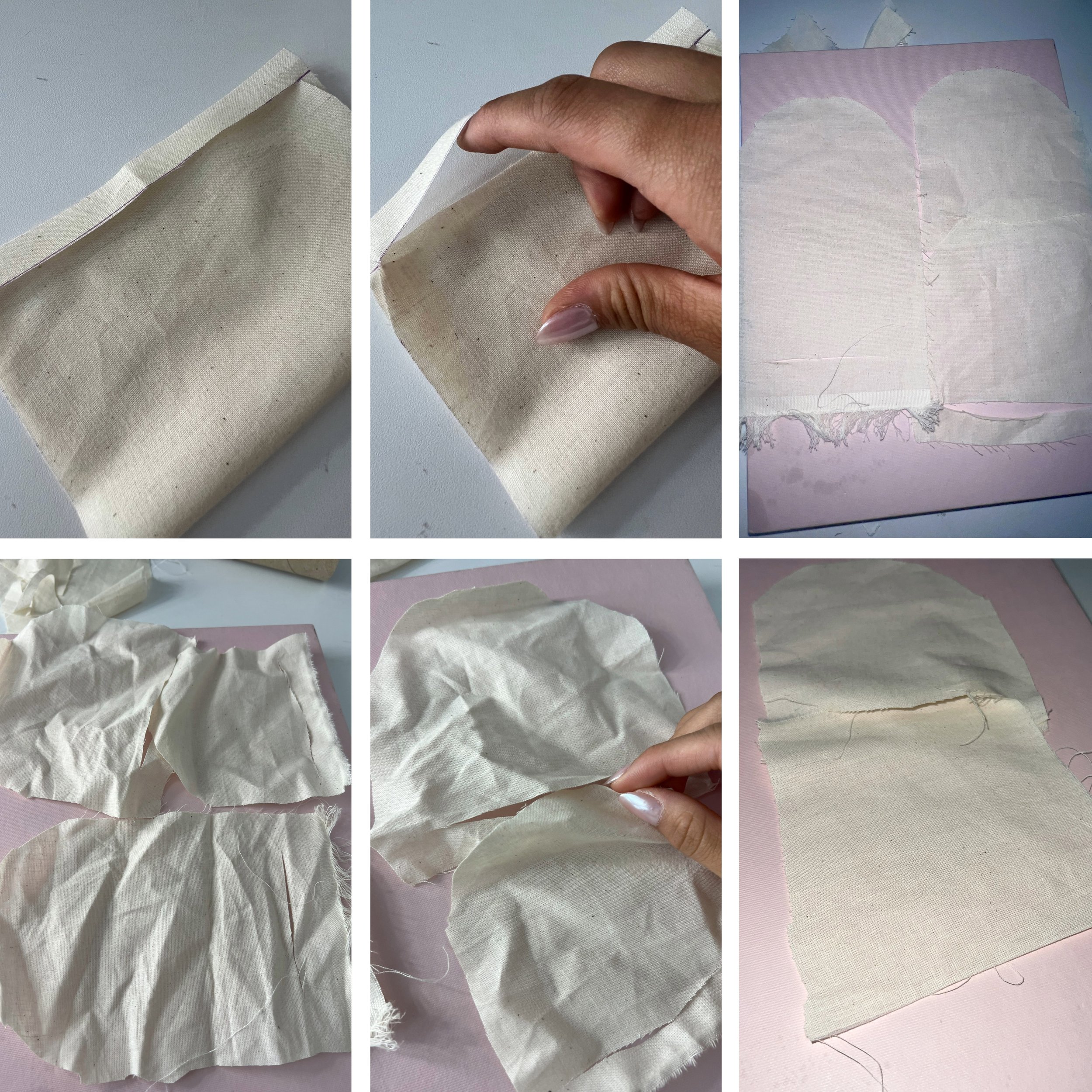
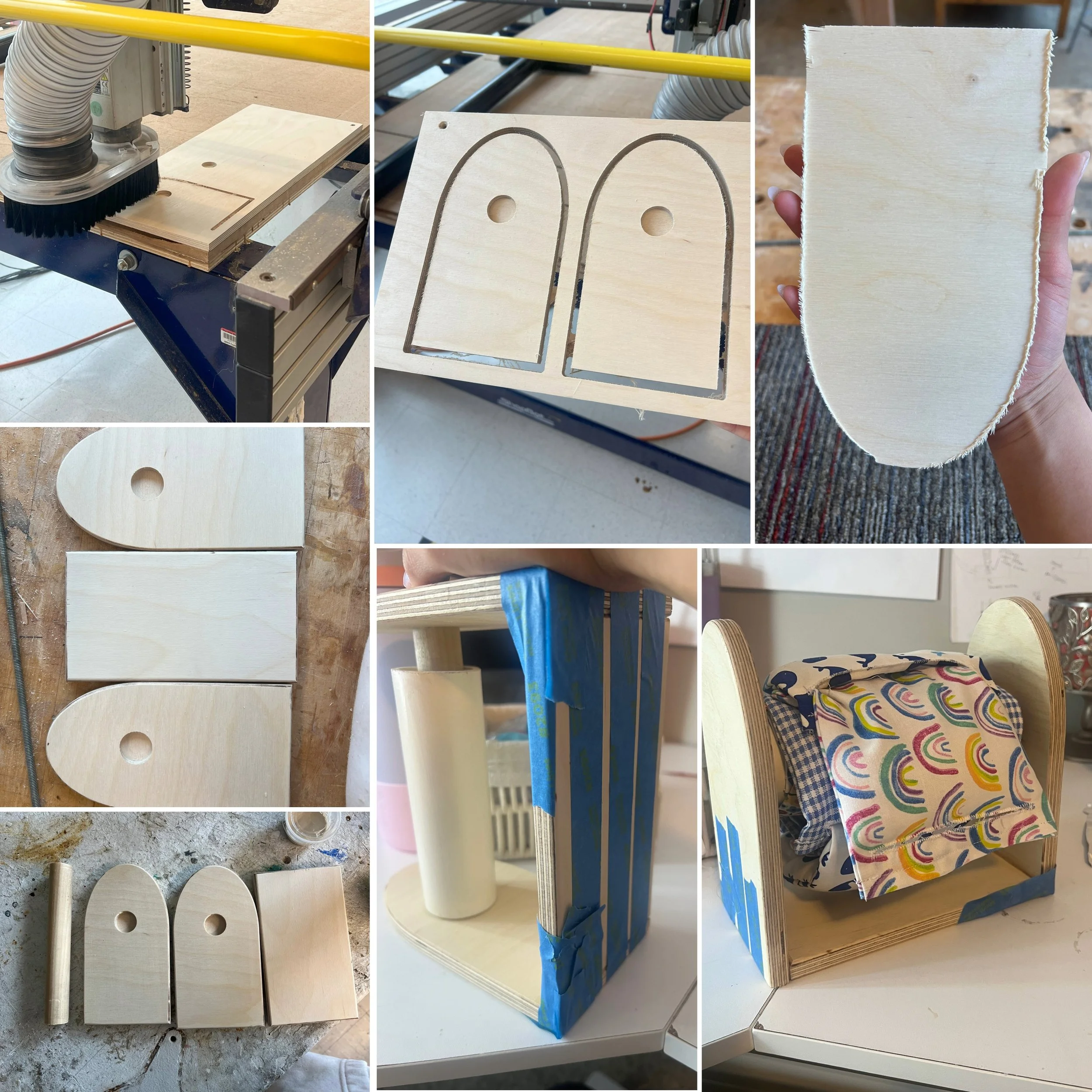
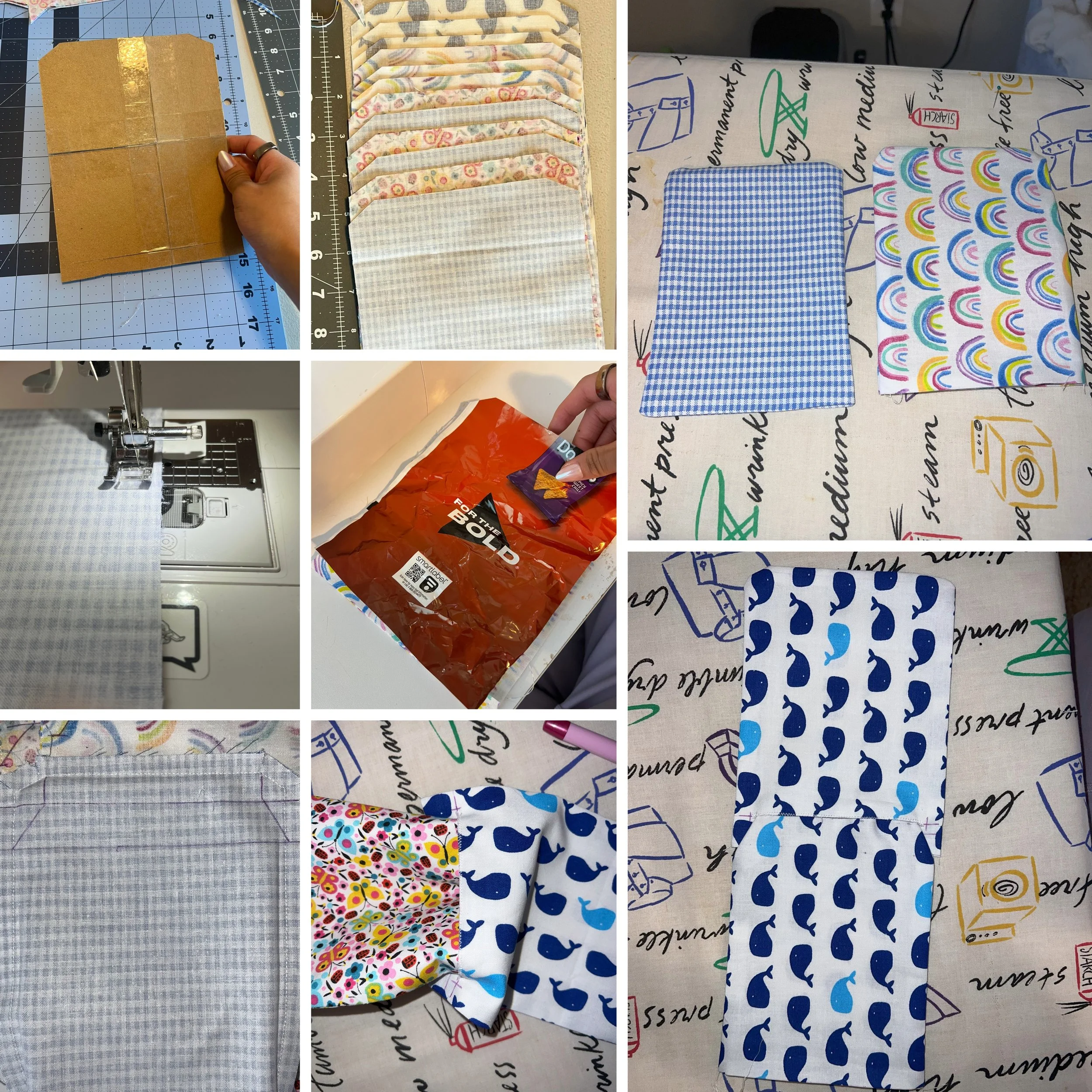
I began by prototyping the fabric component in muslin, refining the shape to improve its fit within the slot. Then I created a pattern out of cardboard to developed the final pieces. Recycled, cleaned chip bags were incorporated to introduce texture and visual interest. The body was fabricated using a CNC machine to cut the final profile, while recycled wood and pvc pipes were used for the dowel, base plate, and middle section.
Final Presentation
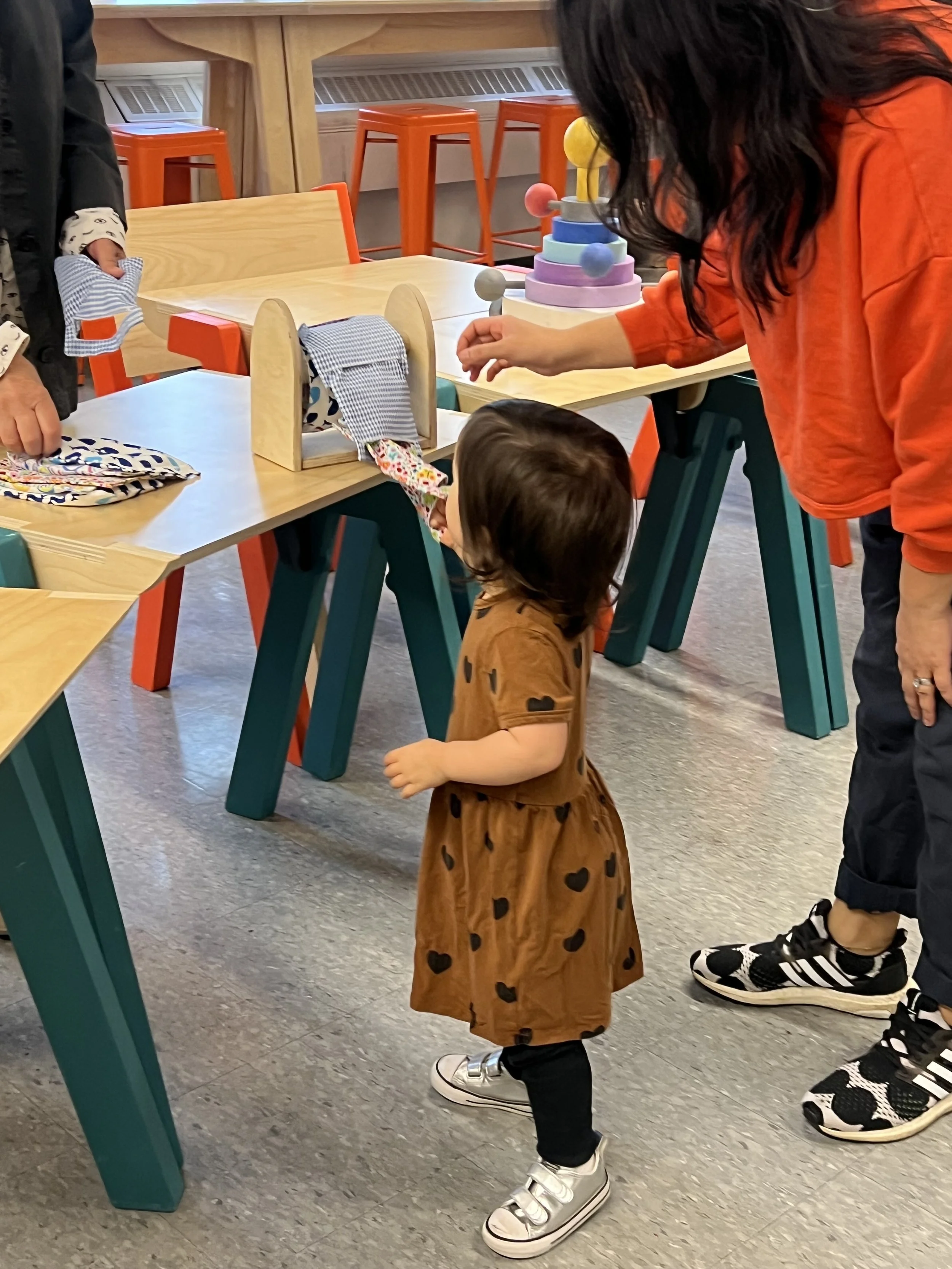
For the final presentation, our professors brought in their kids, a little older than our targeted demographic, to play with the toys we created!